Introduction
Maintaining healthy and glowing skin requires a consistent skincare routine that includes proper cleansing and exfoliation. Dead skin cells, dirt, and excess oil can accumulate on the surface of the skin, leading to dullness and clogged pores. Using an exfoliating tool for face is an effective way to remove these impurities and promote smoother, clearer skin.
Exfoliation not only improves skin texture but also enhances the absorption of skincare products. With the right technique and tools, individuals can achieve noticeable improvements in their skin’s appearance while supporting long-term skin health.
What Is an Exfoliating Tool for Face
Definition and Purpose
An exfoliating tool for face is a skincare accessory designed to remove dead skin cells and impurities from the surface of the skin. These tools come in various forms, including brushes, sponges, and textured devices, each suited for different skin types and needs.
Many people prefer using a high-quality exfoliating tool for face as it provides a deeper cleanse compared to manual washing alone. These tools help improve circulation and leave the skin feeling refreshed and revitalized.
Importance in Skincare
Exfoliation is an essential step in any skincare routine. Without proper exfoliation, dead skin cells can build up and cause uneven texture, dullness, and breakouts. An exfoliating tool enhances the effectiveness of this process by providing consistent and controlled exfoliation.
Regular use helps maintain clear pores and promotes a healthier skin barrier.
Types of Exfoliating Tools
Facial Brushes
Facial brushes are commonly used for gentle exfoliation. They help remove dirt and oil while stimulating blood flow, which contributes to a natural glow.
Natural Exfoliating Tools
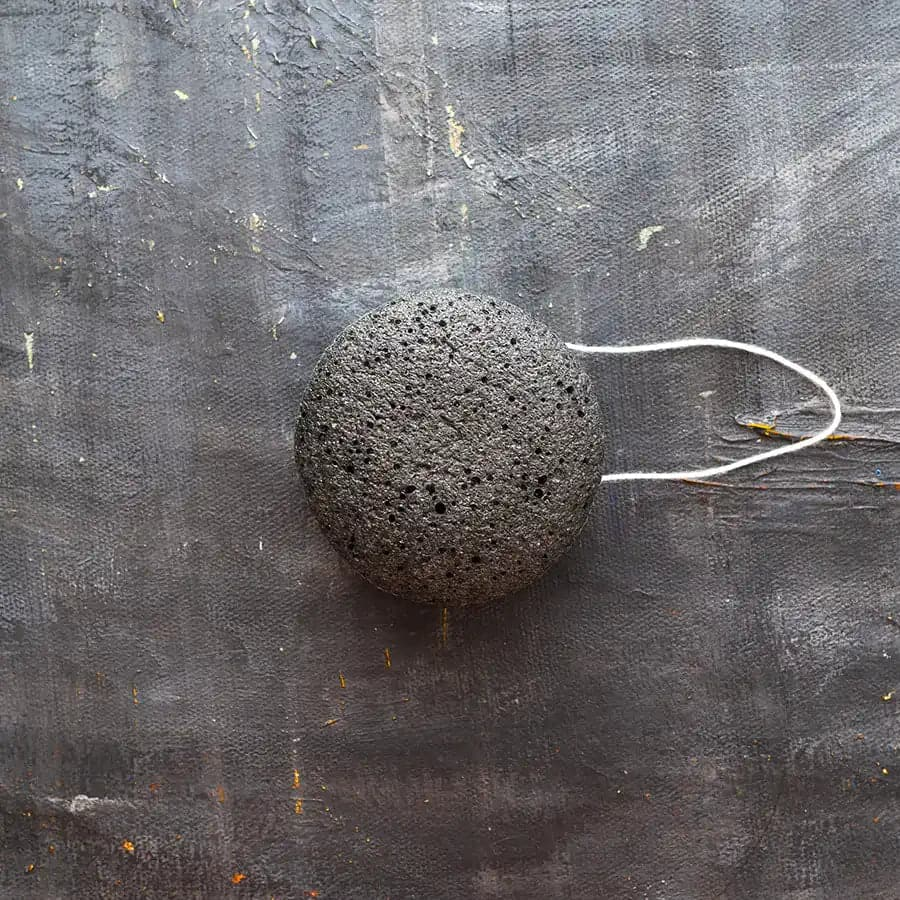
Natural tools such as plant-based sponges are becoming increasingly popular due to their eco-friendly properties. These tools are gentle on the skin and suitable for daily use.
For example, products like konjac sponges for face are widely used for their soft texture and ability to cleanse without causing irritation.
Body and Multi-Use Tools
Some exfoliating tools are designed for both face and body use. These tools offer versatility and can be used to maintain overall skin health.
Benefits of Using an Exfoliating Tool for Face
Improved Skin Texture
Regular exfoliation helps remove dead skin cells, resulting in smoother and more even skin texture. This improves the overall appearance of the skin.
Better Product Absorption
Exfoliating the skin allows serums and moisturizers to penetrate more effectively. This enhances the benefits of skincare products.
Clearer Pores
By removing dirt and oil buildup, exfoliating tools help prevent clogged pores and reduce the likelihood of breakouts.
Enhanced Glow
Exfoliation promotes blood circulation, which contributes to a natural and healthy glow.
To explore a wide range of sustainable skincare tools, platforms like Plantish Future offer eco-friendly options that align with modern skincare needs.
How to Use an Exfoliating Tool for Face
Step 1: Cleanse the Skin
Start by washing the face with a gentle cleanser to remove surface dirt and oil. This prepares the skin for exfoliation.
Step 2: Apply the Tool Gently
Use the exfoliating tool in gentle circular motions. Avoid applying too much pressure, as this can irritate the skin.
Step 3: Focus on Key Areas
Pay attention to areas prone to buildup, such as the forehead, nose, and chin. These areas often require more thorough exfoliation.
Step 4: Rinse and Moisturize
After exfoliation, rinse the face thoroughly and apply a moisturizer to keep the skin hydrated and balanced.
Choosing the Right Exfoliating Tool
Skin Type Consideration
Different skin types require different levels of exfoliation. Sensitive skin benefits from softer tools, while normal or oily skin can handle slightly firmer textures.
Material and Quality
Selecting high-quality materials ensures better results and reduces the risk of irritation. Natural and eco-friendly materials are often preferred.
Frequency of Use
Using an exfoliating tool too frequently can damage the skin barrier. It is important to follow a balanced routine based on individual skin needs.
Common Mistakes to Avoid
Over-Exfoliation
Excessive exfoliation can lead to irritation, redness, and dryness. It is important to maintain a moderate routine.
Using Harsh Tools
Choosing tools that are too rough for the skin can cause damage. Gentle tools are recommended for facial use.
Skipping Moisturization
After exfoliation, the skin needs hydration. Skipping moisturizer can lead to dryness and discomfort.
Best Practices for Healthy Skin
Maintain Consistency
Regular use of an exfoliating tool helps maintain smooth and healthy skin over time.
Follow with Skincare Products
Applying serums and moisturizers after exfoliation enhances their effectiveness.
Keep Tools Clean
Cleaning the exfoliating tool regularly prevents the buildup of bacteria and ensures safe use.
Why Exfoliating Tools Are Essential
Supports Skin Renewal
Exfoliation encourages the natural renewal process of the skin, leading to fresher and healthier skin.
Improves Overall Appearance
Consistent exfoliation results in brighter and more even-toned skin.
Enhances Skincare Routine
Adding an exfoliating tool to a skincare routine improves overall results and effectiveness.
Conclusion
Using an exfoliating tool for face is an effective way to achieve healthy, smooth, and glowing skin. By removing dead skin cells and improving product absorption, these tools play a key role in maintaining skin health.
With proper usage, the right tool selection, and a balanced routine, individuals can enhance their skincare results and enjoy long-term benefits. Incorporating an exfoliating tool into daily or weekly routines is a simple yet powerful step toward better skin care.