Compressed air is one of the most widely used utilities in industrial facilities. It powers equipment, supports production processes, and helps maintain operational efficiency. However, compressed air naturally contains moisture that can create challenges throughout a compressed air network. If this moisture is not removed, it can lead to corrosion, reduced equipment performance, and higher maintenance costs.
A refrigerated air dryer is designed to eliminate moisture from compressed air before it reaches critical equipment and processes. By ensuring a consistent supply of dry compressed air, these systems help industries improve reliability, protect assets, and maintain product quality. Understanding how refrigerated air dryers work and why they are important can help organizations make informed decisions about compressed air treatment.
What Is a Refrigerated Air Dryer?
A refrigerated air dryer is a compressed air treatment system that removes moisture from compressed air through a cooling process. The dryer lowers the temperature of compressed air, causing water vapor to condense into liquid form. The condensed moisture is then separated and discharged from the system.
The primary goal of a refrigerated air dryer is to deliver clean and dry compressed air that supports efficient industrial operations. Without proper drying, moisture can travel through the compressed air network and affect various system components.
Key functions of a refrigerated air dryer include:
- Removing water vapor from compressed air
- Reducing corrosion risks
- Protecting downstream equipment
- Improving compressed air quality
- Supporting reliable production processes
These systems are widely used because they provide an effective balance between performance, energy efficiency, and operational reliability.
How Does a Refrigerated Air Dryer Work?
The working principle of a refrigerated air dryer is based on cooling compressed air to a temperature where moisture condenses and can be removed. The process is straightforward and highly effective for industrial applications.
Compressed air enters the dryer and passes through a heat exchange system. The refrigeration circuit cools the air, causing moisture to condense into liquid water. This water is then separated from the airflow and discharged through an automatic drain system.
The drying process generally includes:
- Cooling compressed air
- Condensing water vapor
- Separating liquid moisture
- Draining condensate
- Delivering dry compressed air
This process helps maintain a stable pressure dew point and ensures that compressed air remains suitable for industrial applications.
Why Is Moisture in Compressed Air a Problem?
Moisture is one of the most common contaminants found in compressed air systems. Although it may seem harmless, excess moisture can create significant operational challenges throughout a facility.
Water can accumulate inside pipelines, pneumatic equipment, valves, and production systems. Over time, this moisture may contribute to corrosion, blockages, and reduced equipment efficiency. Moisture contamination can also affect process consistency and increase maintenance requirements.
Common issues caused by moisture include:
- Corrosion of metal components
- Reduced pneumatic equipment performance
- Increased maintenance costs
- Unexpected system downtime
- Reduced operational efficiency
Removing moisture at the source helps organizations avoid these problems and maintain dependable compressed air performance.
What Are the Benefits of Using a Refrigerated Air Dryer?
A refrigerated air dryer provides several advantages that contribute to the long-term performance of compressed air systems. Beyond moisture removal, these systems help improve overall operational reliability.
One of the primary benefits is equipment protection. Moisture can damage sensitive components and reduce system lifespan. Dry compressed air minimizes these risks while supporting efficient operation.
Additional benefits include:
- Improved compressed air quality
- Reduced maintenance requirements
- Enhanced equipment reliability
- Better process consistency
- Lower operating costs
- Increased productivity
Another important advantage is energy-efficient operation. Refrigerated air dryers are designed to provide effective moisture control while maintaining manageable energy consumption levels. This combination makes them a practical solution for many industrial environments.
Where Are Refrigerated Air Dryers Commonly Used?
Refrigerated air dryers are used across a wide range of industries where compressed air quality is essential. Their ability to provide reliable moisture removal makes them suitable for numerous industrial applications.
Industries that commonly utilize refrigerated air dryers include:
- Manufacturing facilities
- Automotive production plants
- Engineering operations
- Food and beverage processing
- Pharmaceutical manufacturing
- Electronics production
- Packaging industries
These facilities often require consistent compressed air quality to support equipment performance and maintain operational efficiency. Refrigerated air dryers help achieve these objectives by preventing moisture-related issues throughout the compressed air network.
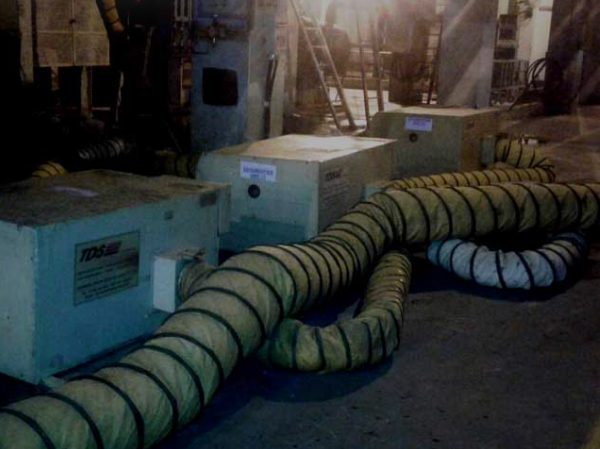
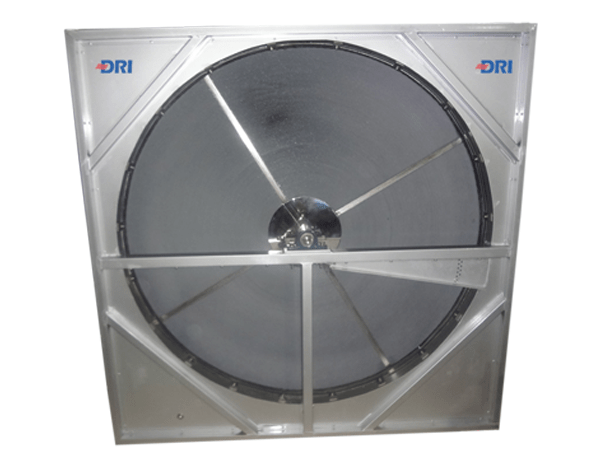
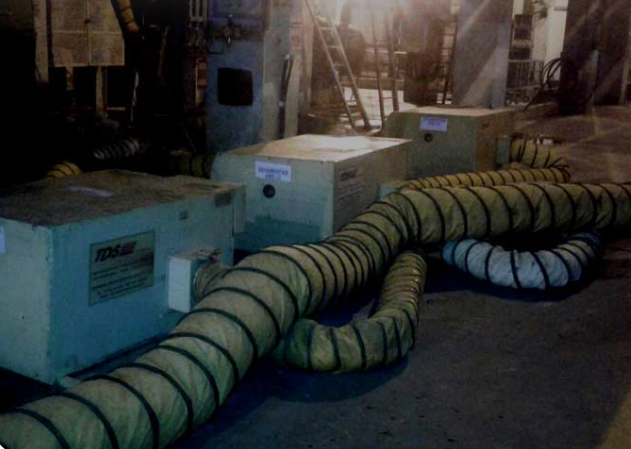
For applications requiring extremely low dew points, a blower regenerated air dryer may also be considered depending on operational requirements.
Refrigerated Air Dryer vs Desiccant Air Dryer
One of the most common questions industrial buyers ask is whether a refrigerated air dryer or a desiccant air dryer is the better choice. The answer depends on the required air quality and operating conditions.
Refrigerated air dryers use cooling technology to remove moisture and are suitable for most general industrial applications. Desiccant air dryers use adsorption materials to achieve much lower dew points.
Key differences include:
- Refrigerated dryers use cooling technology
- Desiccant dryers use adsorption media
- Refrigerated dryers typically have lower operating costs
- Desiccant dryers achieve lower moisture levels
- Application requirements determine the best choice
Facilities seeking specialized drying technologies may also evaluate solutions such as a regenerative compressor air dryer for specific compressed air treatment needs.
How to Choose the Right Refrigerated Air Dryer
Selecting the right refrigerated air dryer requires careful consideration of several operational factors. A properly sized and configured dryer ensures efficient moisture removal and long-term reliability.
Airflow demand is one of the most important considerations. The dryer must be capable of handling the total compressed air volume required by the facility. Environmental conditions and operating pressure should also be evaluated.
Important selection factors include:
- Airflow capacity requirements
- Operating pressure conditions
- Ambient temperature levels
- Desired pressure dew point
- Energy efficiency objectives
- Maintenance accessibility
Choosing the appropriate dryer helps ensure optimal performance while minimizing operating expenses and maintenance requirements.
How Refrigerated Air Dryers Support Compressed Air Quality Standards
Maintaining compressed air quality is essential for efficient industrial operations. Moisture contamination can affect production consistency and equipment performance. Refrigerated air dryers play a critical role in supporting compressed air quality objectives.
By removing water vapor from compressed air, these systems help maintain stable operating conditions. Consistent moisture control contributes to reliable equipment operation and improved process efficiency.
Compressed air quality benefits include:
- Reduced contamination risks
- Improved process stability
- Consistent air quality performance
- Enhanced equipment protection
- Better operational reliability
A well-designed compressed air treatment system helps organizations maintain dependable performance while supporting quality-focused production environments.
Why Delair Delpet Series Refrigerated Air Dryers Are a Reliable Choice
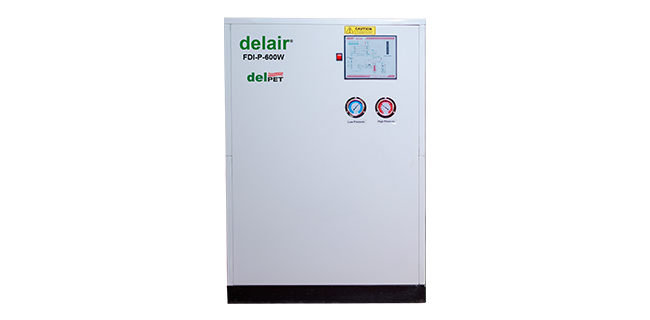
Industrial facilities require air treatment systems that deliver dependable performance over extended operating periods. Delair’s Delpet Series Refrigerated Air Dryers are designed to meet these demands through efficient moisture removal and durable construction.
These dryers are engineered to support industrial compressed air systems while maintaining consistent drying performance. Their design focuses on operational reliability, ease of maintenance, and long-term efficiency.
Advantages of the Delpet Series include:
- Effective moisture removal
- Reliable industrial performance
- Energy-conscious operation
- Durable construction
- Consistent compressed air quality
- Simplified maintenance requirements
By combining proven refrigeration technology with industrial-grade engineering, Delair provides dependable compressed air treatment solutions for a wide range of industries.
Best Practices for Maintaining a Refrigerated Air Dryer
Routine maintenance is essential for ensuring reliable dryer performance. Proper maintenance helps maximize equipment lifespan while maintaining consistent compressed air quality.
Regular inspections allow operators to identify potential issues before they impact system performance. Monitoring key components also helps ensure efficient operation throughout the dryer lifecycle.
Recommended maintenance activities include:
- Inspect condensate drains regularly
- Monitor operating temperatures
- Clean heat exchange components
- Check refrigeration system performance
- Replace filters as required
- Follow scheduled maintenance procedures
A proactive maintenance approach helps support long-term reliability and minimizes the risk of unplanned downtime.
Frequently Asked Questions
1. What is a refrigerated air dryer?
A refrigerated air dryer is a compressed air treatment system that removes moisture from compressed air by cooling it and separating condensed water from the airflow.
2. How does a refrigerated air dryer work?
The dryer cools compressed air to condense water vapor into liquid form. The moisture is then separated and discharged, leaving clean and dry compressed air.
3. Why is moisture removal important in compressed air systems?
Moisture can cause corrosion, equipment damage, reduced efficiency, and increased maintenance costs. Removing moisture helps maintain reliable system performance.
4. What is the difference between a refrigerated air dryer and a desiccant air dryer?
Refrigerated air dryers remove moisture through cooling, while desiccant air dryers use adsorption materials to achieve lower dew points for specialized applications.
5. How do I choose the right refrigerated air dryer?
The right dryer depends on airflow requirements, operating pressure, ambient conditions, desired dew point, energy efficiency goals, and maintenance considerations.
Conclusion
A refrigerated air dryer is an essential component of an industrial compressed air system. By removing moisture from compressed air, it helps protect equipment, improve air quality, reduce maintenance costs, and support reliable production processes. Proper moisture control contributes to operational efficiency and long-term system performance across a wide range of industrial applications.
Understanding the working principle, benefits, and selection criteria of refrigerated air dryers allows organizations to make informed decisions about compressed air treatment. Choosing the right solution can help improve system reliability while supporting consistent compressed air quality.
To learn more about advanced refrigerated air dryer solutions and compressed air treatment technologies, contact Delair India Pvt Ltd today.