When it comes to bringing natural light into a home, skylights are one of the most effective architectural upgrades available. Among the different types on the market, fixed skylights for pitched roof systems stand out as the most reliable, low-maintenance, and energy-efficient option for modern homeowners.
Unlike opening skylights that include hinges, motors, or ventilation mechanisms, fixed units are completely sealed. This simplicity is exactly what makes them so dependable over the long term. For homeowners who want maximum daylight without ongoing maintenance or mechanical concerns, fixed roof lights for pitched roof installations offer a clear and practical solution.
In this guide, we’ll explore why fixed skylights are considered the most hassle-free option, how they perform in different areas of the home, and why they continue to grow in popularity across UK properties.
What Are Fixed Skylights for Pitched Roofs?
Fixed skylights for pitched roofs are non-opening glazed units installed directly into sloped roof structures. Their primary function is to allow natural daylight into interior spaces without providing ventilation.
They are typically constructed using:
- Toughened or laminated safety glass
- Double or triple glazing for insulation
- Thermally broken aluminium or uPVC frames
Because they are sealed units, they are completely weatherproof and designed to remain permanently closed.
This makes them especially suitable for pitched roofs, where water runoff, wind exposure, and insulation performance are critical factors.
No Moving Parts = Low Maintenance
One of the biggest advantages of fixed skylights for pitched roof systems is their mechanical simplicity. With no moving parts, there is very little that can go wrong over time.
Why this matters:
- No hinges that can wear out or loosen
- No motors or electrical components to fail
- No opening seals that require regular servicing
- Reduced risk of air or water leakage
In contrast, opening skylights require periodic maintenance to ensure mechanical parts function properly and remain weather-tight. Over time, these components can wear down, especially in exposed roof environments.
Fixed skylights eliminate these concerns entirely. Once installed correctly, they require only minimal attention—usually just occasional cleaning.
For homeowners who prefer a “fit and forget” solution, this is a major advantage.
Energy Efficiency and Insulation Benefits
Energy performance is one of the most important considerations in modern home design. Poorly insulated roof openings can lead to heat loss in winter and overheating in summer. Fixed skylights solve this problem effectively due to their sealed design.
Key energy efficiency benefits:
1. Fully sealed structure
Because there are no opening gaps, air leakage is virtually eliminated.
2. Advanced glazing technology
Most modern fixed roof lights for pitched roof systems use double or triple glazing with low-emissivity coatings to reduce heat transfer.
3. Thermally broken frames
These prevent thermal bridging, helping maintain stable indoor temperatures.
4. Solar control options
Some skylights include coatings that reduce excessive heat gain during warmer months.
What this means for homeowners:
- Lower heating bills in winter
- Reduced overheating in summer
- Improved overall comfort indoors
- Better energy efficiency ratings for the property
Over time, these benefits can contribute to significant energy savings, making fixed skylights not only practical but also cost-effective.
Ideal Placement in Lofts and Stairwells
Fixed skylights are particularly effective in areas of the home where natural light is limited but ventilation is not a priority. Two of the most common applications are loft conversions and stairwells.
Loft Spaces
Lofts often suffer from limited daylight due to roof angles and structural constraints. Installing fixed skylights for pitched roof systems can completely transform these spaces.
Benefits in lofts:
- Brings natural light into previously dark areas
- Makes small rooms feel larger and more open
- Improves usability for bedrooms, offices, or studios
- Enhances overall property value
Because lofts are often used as living spaces, insulation and energy efficiency are especially important. Fixed skylights help maintain thermal performance while maximising daylight.
Stairwells
Stairwells are typically one of the darkest areas in a home. Adding roof glazing here can dramatically improve both functionality and aesthetics.
Advantages in stairwells:
- Improves visibility and safety on stairs
- Reduces reliance on artificial lighting during the day
- Creates a brighter, more welcoming atmosphere
- Enhances architectural flow between floors
A well-placed skylight can turn a simple staircase into a striking design feature.
Long-Term Durability Advantages
Durability is another major reason why homeowners prefer fixed skylights. Because they are designed without moving components, they naturally have fewer points of failure.
Built for long-term performance:
- High-quality glass resists impact and weathering
- Sealed units prevent moisture ingress
- UV-resistant materials reduce long-term degradation
- Strong frames withstand wind and structural stress
Unlike operable skylights, which rely on mechanical systems, fixed units maintain their integrity over time with minimal risk of breakdown.
Why this matters:
A skylight is a long-term investment. Choosing a system that is built for durability reduces future repair costs and ensures consistent performance for years—even decades.
See also: A Complete Guide to Purchase Roof Light UK: Enhancing Homes with Rooflights UK
Weather Resistance and Structural Reliability
Pitched roofs are exposed to a wide range of weather conditions, including heavy rain, wind, and seasonal temperature changes. Fixed skylights are particularly well-suited to these environments because of their sealed construction.
Weather performance benefits:
- Excellent water resistance due to tight sealing
- Efficient rain runoff thanks to pitched installation
- Strong resistance to wind pressure
- Reduced risk of condensation buildup when properly insulated
This makes fixed roof lights for pitched roof installations especially reliable in climates like the UK, where weather conditions can be unpredictable.
Aesthetics: Clean, Modern, and Minimal
Beyond performance, fixed skylights are highly valued for their clean architectural appearance. They are often used in modern home design because they integrate seamlessly into the roofline.
Design advantages:
- Slim frames for a minimalist look
- Frameless options for a seamless finish
- Flush installation for modern aesthetics
- Enhances natural light without visual clutter
In both traditional and contemporary homes, fixed skylights add a subtle but impactful design upgrade.
Installation Simplicity and Structural Efficiency
While skylight installation should always be carried out by professionals, fixed systems are generally simpler to install than opening alternatives.
Installation benefits:
- Fewer components reduce complexity
- No electrical wiring required for motors or controls
- Faster installation time compared to vented systems
- Lower risk of mechanical installation errors
Proper installation still requires attention to detail, particularly in waterproofing and flashing, but overall complexity is reduced.
Working with experienced suppliers such as Skylights Roof Lanterns helps ensure compatibility and correct installation guidance for pitched roof applications.
Cost vs Long-Term Value
While pricing depends on size, glazing, and frame type, fixed skylights often provide excellent long-term value.
Why they are cost-effective:
- Lower initial cost than opening systems
- Reduced maintenance expenses over time
- Improved energy efficiency reduces utility bills
- Longer lifespan with fewer repairs
Although they may not offer ventilation, their simplicity makes them a more economical and reliable long-term investment for many homeowners.
Where Fixed Skylights Work Best
To maximise performance, fixed skylights should be installed in areas where natural light is the priority but ventilation is not essential.
Ideal applications:
- Loft conversions
- Stairwells and corridors
- Living rooms with pitched ceilings
- Home offices
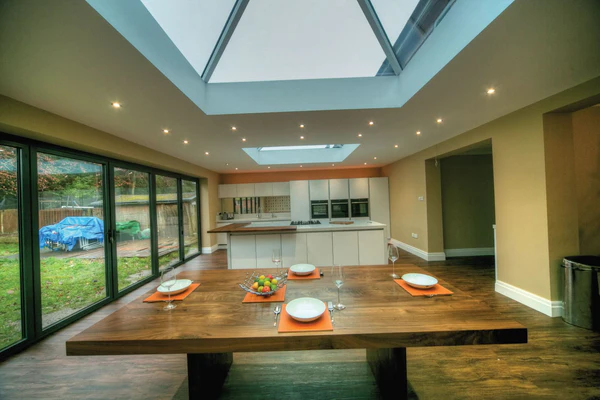
- Kitchen extensions (with separate ventilation systems)
By carefully choosing placement, homeowners can dramatically improve the quality of natural light throughout their property.
Common Misconceptions About Fixed Skylights
Despite their advantages, some homeowners hesitate due to misconceptions.
Myth 1: They don’t provide enough ventilation
True—but they are not designed for ventilation. They are designed for light and insulation, and work best when paired with other airflow solutions if needed.
Myth 2: They are less functional than opening skylights
In reality, they are often more reliable because they eliminate mechanical failure points.
Myth 3: They are outdated
Modern fixed skylights use advanced glazing and insulation technology, making them highly efficient and contemporary.
Final Thoughts
For homeowners seeking a simple, durable, and energy-efficient way to bring natural light into their homes, fixed skylights for pitched roof systems are one of the most reliable solutions available.
Their sealed design eliminates mechanical issues, reduces maintenance requirements, and improves long-term performance. Combined with strong insulation, excellent weather resistance, and clean architectural aesthetics, they offer a complete package for modern living.
Whether installed in lofts, stairwells, or extensions, fixed roof lights for pitched roof installations consistently deliver comfort, efficiency, and lasting value.
If your priority is a hassle-free daylighting solution that performs reliably year after year, fixed skylights are not just a good choice—they are one of the smartest investments you can make for your home.