Humidity control plays a critical role in many industrial, construction, and commercial environments. Excess moisture can damage equipment, affect product quality, delay projects, and increase maintenance costs. As a result, organizations often need reliable dehumidification solutions to maintain controlled environmental conditions.
When evaluating humidity control options, businesses typically face an important decision. Should they invest in purchasing dehumidification equipment or choose a rental solution? In many situations, a commercial dehumidifier rental provides greater flexibility, lower costs, and faster deployment compared to ownership.
Understanding the advantages of renting can help project managers, facility operators, and maintenance teams make informed decisions that align with operational requirements and budget goals.
What Is Commercial Dehumidifier Rental?
Commercial dehumidifier rental refers to the temporary use of industrial-grade dehumidification equipment for moisture control projects. Instead of purchasing equipment outright, businesses rent the required systems for a specific duration.
Rental solutions are commonly used for short-term projects, maintenance activities, emergency response situations, and seasonal humidity control requirements. The rental provider supplies the equipment, technical support, and often maintenance services throughout the project period.
Types of Commercial Dehumidifiers Available for Rent
Businesses can choose from several types of rental equipment, including:
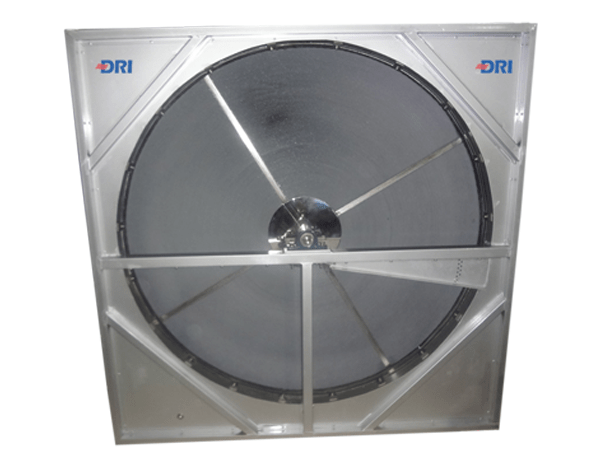
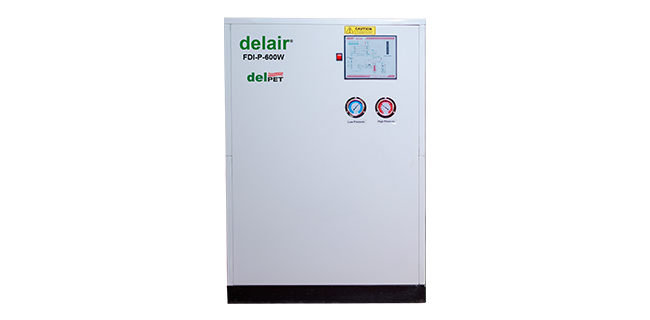
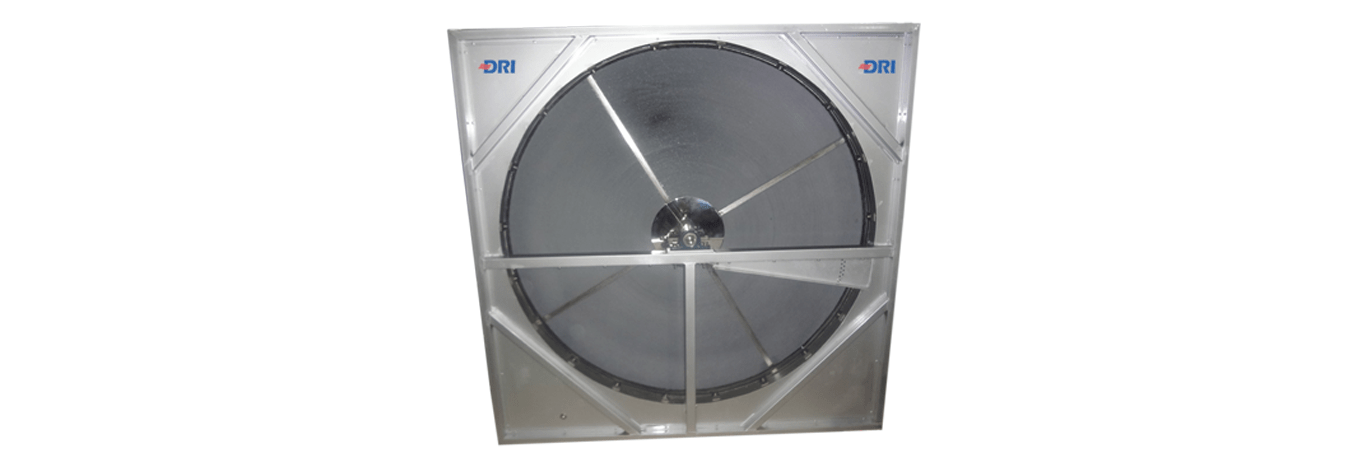
- Desiccant dehumidifiers
- Refrigerant dehumidifiers
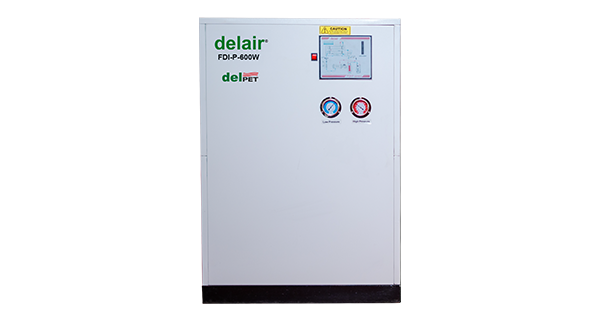
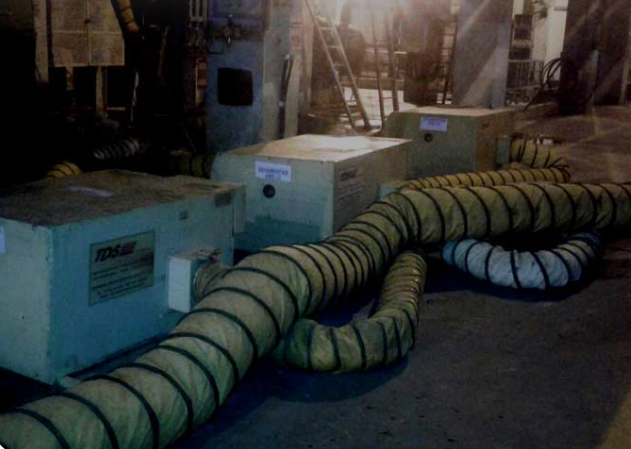
- Portable dehumidification units
- High-capacity industrial systems
- Temporary humidity control solutions
- Environmental conditioning equipment
Each system is designed to address different humidity levels, project requirements, and environmental conditions.
Why Do Businesses Need Temporary Humidity Control?
Humidity can affect operations in ways that are not always immediately visible. Excess moisture may lead to corrosion, condensation, material degradation, and equipment performance issues. Maintaining the correct humidity level helps protect assets while supporting operational efficiency.
Temporary humidity control becomes especially important during maintenance projects, construction activities, storage operations, and shutdown periods. These situations often require specialized environmental control for a limited timeframe.
Challenges Caused by High Humidity
Uncontrolled humidity can contribute to:
- Corrosion of metal surfaces
- Damage to sensitive equipment
- Coating and painting defects
- Product quality issues
- Mold and microbial growth
- Reduced workplace safety
- Increased maintenance expenses
Implementing temporary dehumidification helps organizations minimize these risks and maintain stable operating conditions.
Renting vs Buying Dehumidification Equipment
One of the most common questions businesses ask is whether renting or buying provides better value. The answer depends on project duration, equipment utilization, budget considerations, and operational needs.
Purchasing equipment can be suitable for organizations with continuous humidity control requirements. However, many projects require dehumidification for only a limited period. In these cases, renting often becomes the more practical option.
Initial Investment Comparison
Buying industrial dehumidification equipment typically requires a significant upfront investment. The purchase price, installation costs, storage requirements, and maintenance expenses can add considerable financial commitments.
Commercial dehumidifier rental offers several financial advantages:
- No large capital expenditure
- Predictable project costs
- Improved cash flow management
- Reduced ownership responsibilities
- Better budget flexibility
These benefits allow businesses to allocate resources more efficiently while still accessing high-performance equipment.
Equipment Maintenance Responsibilities
Ownership comes with ongoing maintenance obligations. Equipment must be inspected, serviced, repaired, and stored properly to maintain performance and reliability.
Rental solutions simplify this process because:
- Maintenance is often handled by the provider
- Equipment arrives project-ready
- Technical support is typically available
- Businesses avoid long-term servicing costs
This maintenance-free approach can significantly reduce operational burdens.
When Is Commercial Dehumidifier Rental the Better Choice?
There are many situations where renting provides greater value than ownership. Temporary projects, changing operational requirements, and short-term environmental control needs often make rental solutions the preferred option.
Planned Shutdowns and Turnarounds
Industrial shutdowns frequently require temporary humidity control to protect equipment and prevent corrosion during maintenance activities.
Rental equipment helps support:
- Equipment preservation
- Moisture control during inspections
- Corrosion prevention programs
- Temporary environmental management
Because shutdown periods are limited in duration, purchasing equipment specifically for these projects is often unnecessary.
Construction and Infrastructure Projects
Construction environments often require moisture management to support project timelines and quality standards. Temporary dehumidification helps create suitable conditions for various construction activities.
Benefits include:
- Improved drying performance
- Better environmental control
- Reduced project delays
- Enhanced material protection
Rental solutions provide flexibility as project requirements evolve.
Water Damage Restoration Projects
Unexpected water exposure can create urgent drying requirements. In these situations, rapid deployment becomes critical to minimizing damage and restoring operations.
A professional water damage restoration service often relies on industrial dehumidification equipment to accelerate moisture removal and prevent secondary damage.
Rental systems allow organizations to respond quickly without the delays associated with equipment purchasing and installation.
Surface Preparation and Coating Applications
Humidity control is essential during surface preparation and coating operations. Excess moisture can affect coating adhesion, curing performance, and overall finish quality.
Rental dehumidification systems help:
- Prevent condensation
- Maintain target humidity levels
- Improve coating outcomes
- Support quality control objectives
These benefits contribute to more consistent project results.
Key Benefits of Commercial Dehumidifier Rental
Businesses increasingly choose rental solutions because they provide operational and financial advantages that ownership cannot always match.
Reduced Capital Expenditure
One of the biggest advantages of renting is the ability to avoid major upfront investments.
Organizations benefit from:
- Lower initial costs
- Improved financial flexibility
- Better allocation of capital resources
- Reduced ownership risks
This approach is particularly valuable for short-term projects and temporary requirements.
Access to Advanced Technology
Dehumidification technology continues to evolve. Rental providers often maintain modern equipment fleets that deliver improved efficiency and performance.
Businesses gain access to:
- High-capacity equipment
- Advanced humidity control systems
- Energy-efficient technologies
- Specialized industrial solutions
Without rental options, acquiring the latest technology may require substantial investment.
Rapid Deployment and Scalability
Project requirements can change quickly. Rental solutions provide the flexibility to adjust equipment capacity based on evolving needs.
Advantages include:
- Fast equipment availability
- Scalable system configurations
- Flexible rental durations
- Quick project mobilization
This flexibility helps organizations respond effectively to changing conditions.
Expert Technical Support
Many rental providers offer technical expertise that helps businesses achieve optimal performance from their dehumidification systems.
Support may include:
- Project assessment
- Equipment selection guidance
- Installation recommendations
- Performance monitoring assistance
These services enhance project outcomes while reducing operational risks.
How Much Does Commercial Dehumidifier Rental Cost?
Rental costs vary depending on several project-specific factors. There is no universal pricing model because each project has unique humidity control requirements.
Variables That Impact Rental Costs
Several factors influence overall rental expenses:
- Project duration
- Facility size
- Required humidity levels
- Equipment capacity
- Environmental conditions
- Installation requirements
- Technical support needs
A professional assessment helps determine the most cost-effective solution for each application.
Businesses seeking comprehensive dehumidification services can often achieve better value by selecting equipment tailored to their specific project requirements.
Industries That Benefit Most from Commercial Dehumidifier Rental
Many industries rely on rental dehumidification equipment to support operations, maintenance activities, and environmental control projects.
Key sectors include:
- Oil and gas facilities
- Power generation plants
- Marine and shipbuilding operations
- Pharmaceutical manufacturing
- Food processing facilities
- Construction projects
- Infrastructure developments
These industries frequently require temporary humidity control solutions that make rental arrangements highly practical and cost-effective.
How to Choose the Right Commercial Dehumidifier Rental Provider
Selecting the right provider is essential for project success. A reliable rental partner offers more than equipment. They provide expertise, technical support, and customized solutions.
Important considerations include:
- Industry experience
- Equipment availability
- Technical support capabilities
- Project planning assistance
- Service responsiveness
- Proven operational expertise
A knowledgeable provider can help ensure that humidity control objectives are achieved efficiently and effectively.
Conclusion
Choosing between renting and buying dehumidification equipment depends on operational needs, project duration, and budget priorities. While ownership may be suitable for continuous long-term use, commercial dehumidifier rental often provides a more flexible and cost-effective solution for temporary humidity control requirements.
Rental solutions eliminate large capital investments, reduce maintenance responsibilities, provide access to advanced technology, and support rapid deployment. These advantages make renting an attractive option for maintenance projects, construction activities, shutdowns, water damage restoration, and industrial preservation programs.
Organizations looking for reliable humidity control solutions can benefit from expert guidance and tailored equipment recommendations. To discuss your project requirements and identify the most effective solution, contact Technical Drying Services.
Frequently Asked Questions
1. What is commercial dehumidifier rental?
Commercial dehumidifier rental allows businesses to use industrial dehumidification equipment for a temporary period without purchasing and maintaining the equipment.
2. When should a business rent a dehumidifier instead of buying one?
Businesses should consider renting when they have short-term projects, temporary humidity control needs, shutdowns, maintenance activities, or emergency moisture management requirements.
3. How much does commercial dehumidifier rental cost?
Costs depend on factors such as project duration, equipment size, humidity requirements, environmental conditions, and technical support needs.
4. What industries commonly use rental dehumidification equipment?
Industries including oil and gas, power generation, marine, pharmaceuticals, food processing, manufacturing, and construction frequently use rental dehumidification systems.
5. What are the benefits of temporary humidity control?
Temporary humidity control helps prevent corrosion, protect equipment, improve product quality, reduce downtime, and support efficient project completion.